The Tudor Society
  • #OTD in Tudor history – 23 June

    A portrait of a young Henry VIII with a portrait of Catherine of Aragon

    On this day in Tudor history, 23rd June, Henry VIII and his new bride, Catherine of Aragon, had their coronation procession through the streets of London; mathematician and physician Thomas Hood was baptised; and miniaturist Levina Teerlinc died…

    [Read More...]
  • #OTD in Tudor history – 22 June

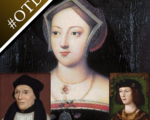
    Portraits of Mary Boleyn, Bishop Fisher and a young Henry VIII

    On this day in Tudor history, 22nd June, Henry VIII created 26 Knights of the Bath; Mary Boleyn lost her first husband to sweating sickness; Bishop Fisher was executed; and Henry VIII’s eldest daughter, Mary, submitted to her father…

    [Read More...]
  • #OTD in Tudor history – 21 June

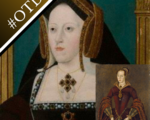
    Portraits of Catherine of Aragon and Lady Jane Grey

    On this day in Tudor history, 21st June, Henry VIII travelled from Greenwich to the Tower of London; Catherine of Aragon gave an impassioned speech at the Legatine Court; letters patent were issued stating that Edward VI’s heir was Lady Jane Grey…

    [Read More...]
  • #OTD in Tudor history – 20 June

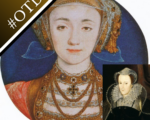
    Miniature of Anne of Cleves and portrait of Mary Queen of Scots

    On this day in Tudor history, 20th June, Anne of Cleves complained about Henry VIII’s flirting with Catherine Howard; the Casket Letters, which would be used to condemn Mary, Queen of Scots, were discovered; and Henry Percy, 8th Earl of Northumberland, allegedly shot himself through the heart…

    [Read More...]
  • #OTD in Tudor history – 19 June

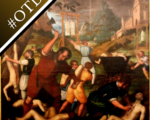
    Painting of the Carthusian martyrs

    On this day in Tudor history, 19th June, three Carthusian monks were hanged, drawn and quartered; Mary, Queen of Scots, gave birth to a son who would rule Scotland as James VI and England as James I; and the first priest to be executed in Elizabeth I’s reign was hanged, drawn and quartered…

    [Read More...]
  • An audience with Linda Porter at Warwick Castle

    Linda Porter

    Enjoy an evening with Linda Porter, author of The Other Queen of Scots: The Extraordinary Life of Margaret Tudor, daughter and sister of kings, queen consort and matriarch of the Stuarts. This talk will cover the dramatic life of Margaret Tudor, the first princess of a new dynasty, who married the charismatic King James IV of Scotland when she was just thirteen years old.

    The talk is on 22nd July, 2024 and tickets are £20 each.

    Find out more here

  • #OTD in Tudor history – 18 June

    Still from "The Tudors" showing the rack and another still of Anne Askew

    On this day in Tudor history, the Blackfriars Legatine Court opened to hear the case for Henry VIII’s proposed annulment; Anne Askew was arraigned for heresy; and Welsh mathematician and physician Robert Recorde’s will was proved…

    [Read More...]
  • #OTD in Tudor history – 17 June

    Loch Leven Castle and a portrait of Mary Queen of Scots

    On this day in Tudor history, The Battle of Blackheath ended the Cornish Rebellion; Sir George Blage was lucky to die a natural death: and Mary, Queen of Scots, was imprisoned at Loch Leven Castle after surrendering to the Protestant nobles…

    [Read More...]
  • #OTD in Tudor history – 16 June

    A portrait of Henry VII and an engraving of Lambert Simnel

    On this day in Tudor history, 16th June, Henry VII was victorious at the Battle of Stoke Field; scholar, humanist and administrator Sir John Cheke was born; and Henry Howard, Earl of Northampton, a man accused of being involved in the Overbury Scandal, died of gangrene…

    [Read More...]
  • Henry Fitzroy, Duke of Richmond and Somerset, Henry VIII’s illegitimate son

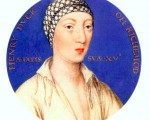
    Miniature of Henry Fitzroy, Duke of Richmond and Somerset, by Lucas Horenbout

    Henry Fitzroy, Duke of Richmond and Somerset was the acknowledged illegitimate son of Henry VIII by his mistress Elizabeth (Bessie) Blount. “Fitzroy” is a Norman-French surname meaning “son of the King” and was a name given to monarchs’ illegitimate sons.

    In 1519, Bessie had been sent by Cardinal Wolsey to reside at the prior’s house of the Priory of St Lawrence, in Blackmore, before her pregnancy became visible. It is not known when Bessie gave birth to Richmond, or when the child was christened. His birthdate is traditionally given as 15th June 1519, but Elizabeth Norton, historian and author of “Bessie Blount: Mistress to Henry VIII”, wonders if Richmond was actually born on 18th June because Cardinal Wolsey was with Henry VIII on that day and then although he was expected at Hampton Court Palace on 19th June he disappeared until 29th June. It was Wolsey who acted as Richmond’s godfather and who organised Bessie’s confinement, so it is reasonable to assume that he went to Blackmore. Also, as Norton points out, Henry VIII chose 18th June 1525 to elevate his son to the peerage and 18th June 1524 to award Bessie and her husband with a royal grant, so these events may well have tied in with the boy’s birthday.

    [Read More...]
  • #OTD in Tudor history – 15 June

    Portraits of Henry Fitzroy, Mary I and William Somer

    On this day in Tudor history, 15th June, Henry VIII’s illegitimate son, Henry Fitzroy, was born; members of the king’s council bullied and threatened Henry VIII’s eldest daughter, Mary; and court fool William Somer died…

    [Read More...]
  • #OTD in Tudor history – 14 June

    Portrait of a young Mary I, portrait of Sir Anthony Browne, and a photo of Sir Francis Bryan in Wolf Hall

    On this day in Tudor history, 14th June, Sir Anthony Browne and Sir Francis Brya, were interrogated regarding their alleged support of Mary, daughter of Henry VIII and Catherine of Aragon; Catherine’s former confessor, William Peto, was made a cardinal; and Sir Christopher Danby, who’d been implicated in the Pilgrimage of Grace and had survived being a Catholic in Elizabeth I’s reign, died…

    [Read More...]
  • #OTD in Tudor history – 13 June

    Photo of Sudeley Castle and portraits of Catherine Parr and Thomas Seymour

    On this day in Tudor history, 13th June, George Neville, 3rd Baron Bergavenny, died; a pregnant Catherine Parr and her husband, Thomas Seymour, set off for Sudeley Castle; and actor William Knell died in a pub brawl…

    [Read More...]
  • #OTD in Tudor history – 12 June

    Photo of the Tower of London and a portrait of Thomas Cromwell

    On this day in Tudor history, 12th June, Henry VIII’s first wife, Catherine of Aragon, got cross with him, telling him to abandon his “wicked life”; Richard Rich interviewed an imprisoned Sir Thomas More; and a newly imprisoned Thomas Cromwell pleaded his innocence and begged for mercy…

    [Read More...]
  • #OTD in Tudor history – 11 June

    Portraits of a young Henry VIII and Catherine of Aragon

    On this day in Tudor history, 11th June, England’s new king, Henry VIII, married Catherine of Aragon; humanist and scholar Sir Anthony Cooke died; and the Feast of St Barnabas was celebrated…

    [Read More...]
  • #OTD in Tudor history – 10 June

    Miniature of Thomas Cromwell, portrait of Francis, Duke of Anjou and Alençon, and painting of the Carthusian martyrs

    On this day in Tudor history, 10th June, two Carthusian monks died of starvation in prison; Thomas Cromwell, Earl of Essex, was arrested; and Francis, Duke of Anjou and Alençon, former suitor of Elizabeth I and a man she dubbed her “Frog”, died in Paris…

    [Read More...]
  • #OTD in Tudor history – 9 June

    Portrait of William Paget and the frontispiece of The Book of Common Prayer

    On this day in Tudor history, 9th June, William Courtenay, 1st Earl of Devon, died; the Book of Common Prayer was used in English churches for the first time; and diplomat and administrator William Paget, 1st Baron Paget, died…

    [Read More...]
  • #OTD in Tudor history – 8 June

    Portrait of Elizabeth Woodville

    On this day in Tudor history, Elizabeth Woodville, queen consort of Edward IV and mother of the Princes in the Tower, died; and Henry VIII’s Parliament passed the Second Act of Succession, removing Elizabeth, as well as Mary, from the line of succession…

    [Read More...]
  • #OTD in Tudor history – 7 June

    Painting of the Field of Cloth of Gold

    On this day in Tudor history, 7th June, the Field of Cloth of Gold meeting between Henry VIII and Francis I began; a water pageant was held in honour of Jane Seymour: and Elizabeth I’s former physician was hanged, drawn and quartered…

    [Read More...]
  • #OTD in Tudor history – 6 June

    A portrait of Charles V and a frontispiece of the Book of Common Prayer

    On this day in Tudor history, 6th June, Holy Roman Emperor Charles V made a grand entry into London with Henry VIII; the Prayer Book rebels assembled at Bodmin; and musician and conspirator William Hunnis died…

    [Read More...]
  • #OTD in Tudor history – 5 June

    Portrait of Robert Devereux

    On this day in Tudor history, 5th June, Catherine of Aragon’s lady and good friend, Maria de Salinas, married William, 10th Lord Willoughby of Eresby; Elizabeth I’s favourite, Robert Devereux, 2nd Earl of Essex, was charged with insubordination; and physician and naturalist Thomas Moffet died…

    [Read More...]
  • #OTD in Tudor history – 4 June

    A portrait of Robert Dudley and a sketch of Jane Seymour

    On this day in Tudor history, 4th June, Jane Seymour was proclaimed queen at Greenwich; Robert Dudley married Amy Robsart at Sheen with Edward VI in attendance; and the spire of St Paul’s Cathedral was struck by lightning…

    [Read More...]
  • #OTD in Tudor history – 3 June

    Portraits of Thomas More and John Aylmer

    On this day in Tudor history, 3rd June, Sir Thomas More was interrogated in the Tower of London; bishops in England were ordered to preach in support of the royal supremacy; and John Aylmer, Bishop of London, died…

    [Read More...]
  • #OTD in Tudor history – 2 June

    portraits of Thomas Howard, 4th Duke of Norfolk, and Jane Seymour

    On this day in Tudor history, 2nd June, Henry VIII’s third wife, Jane Seymour, made her first appearance as queen; rebels including Sir Francis Bigod were executed in the aftermath of the Pilgrimage of Grace; and Thomas Howard, 4th Duke of Norfolk, was executed…

    [Read More...]
  • #OTD in Tudor history – 1 June

    Photo of Westminster Abbey and portrait of Anne Boleyn

    On this day in Tudor history, 1st June, a heavily pregnant Queen Anne Boleyn was crowned queen at Westminster Abbey; and an inquest into the death of playwright Christopher Marlowe ruled that he had been stabbed in self-defence…

    [Read More...]
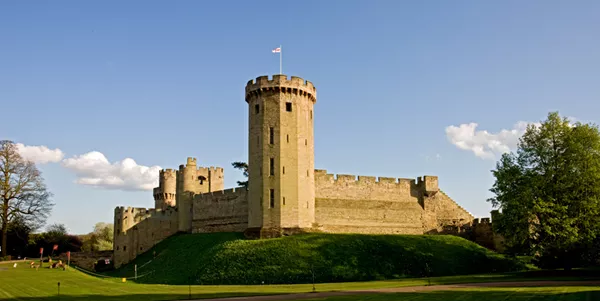
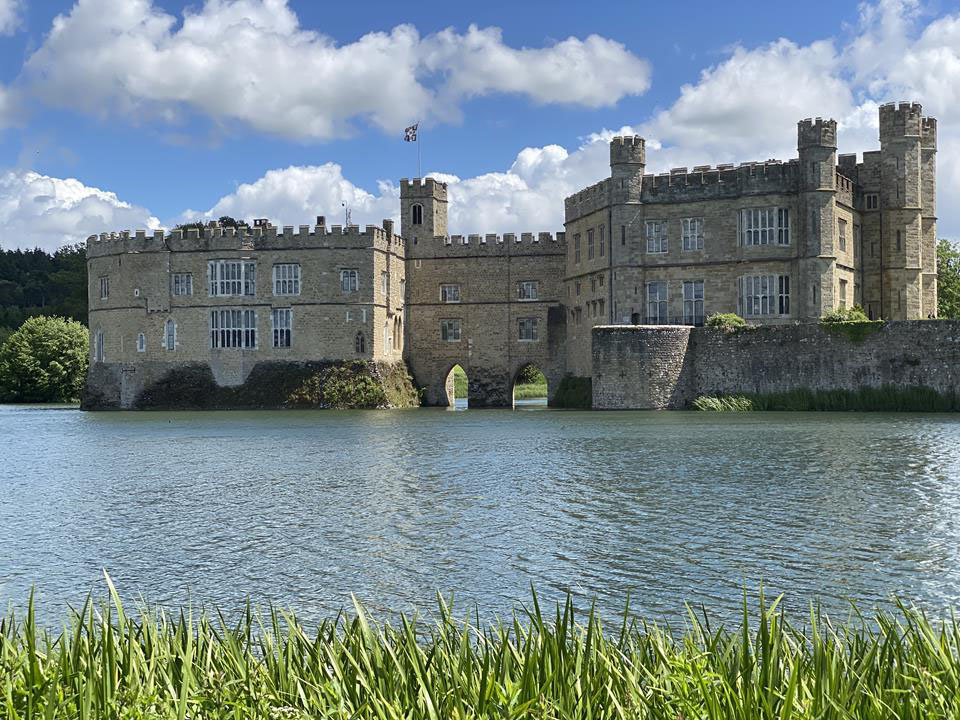
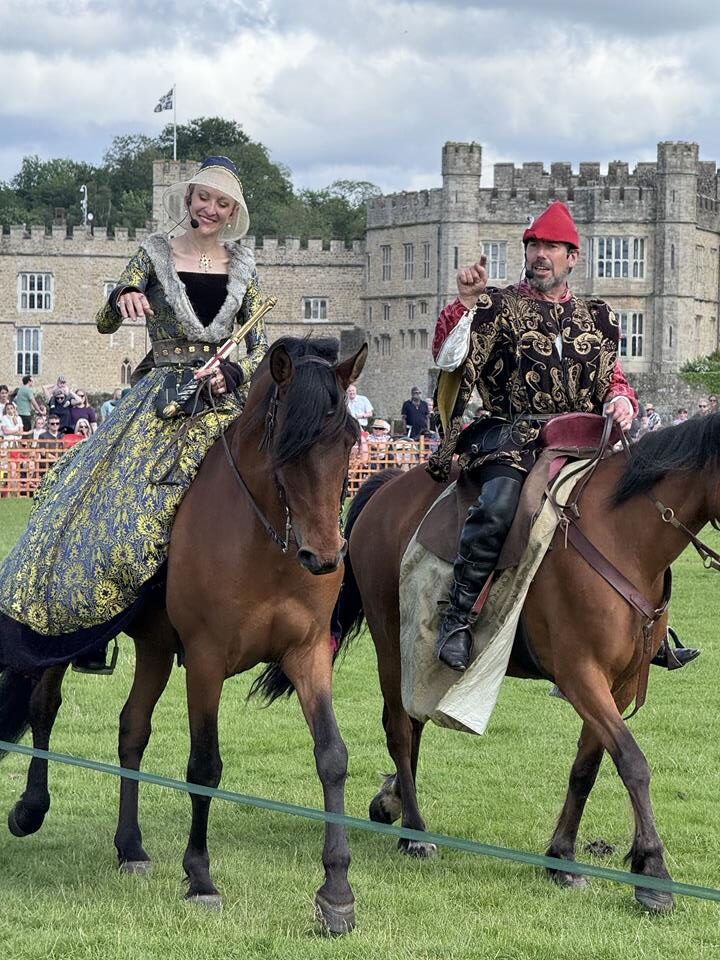
  • The Amazing Queens Joust at Leeds Castle in Kent

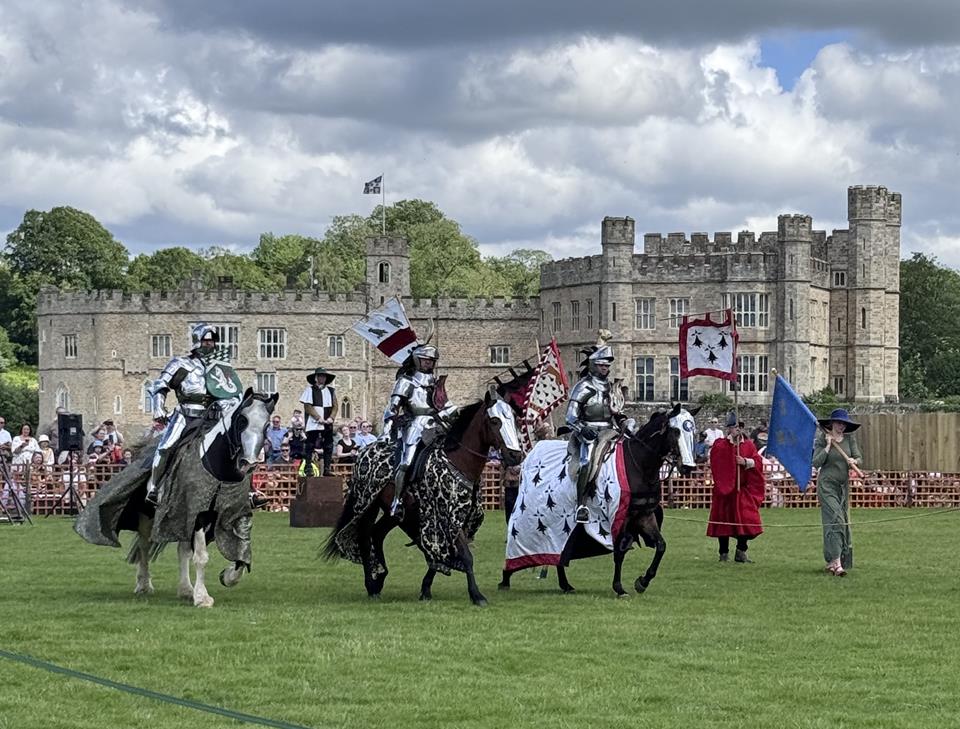
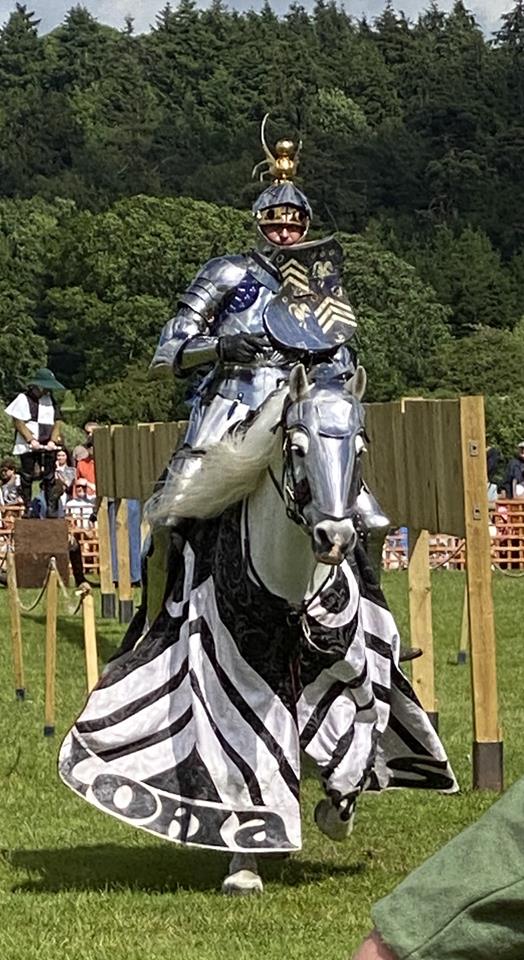
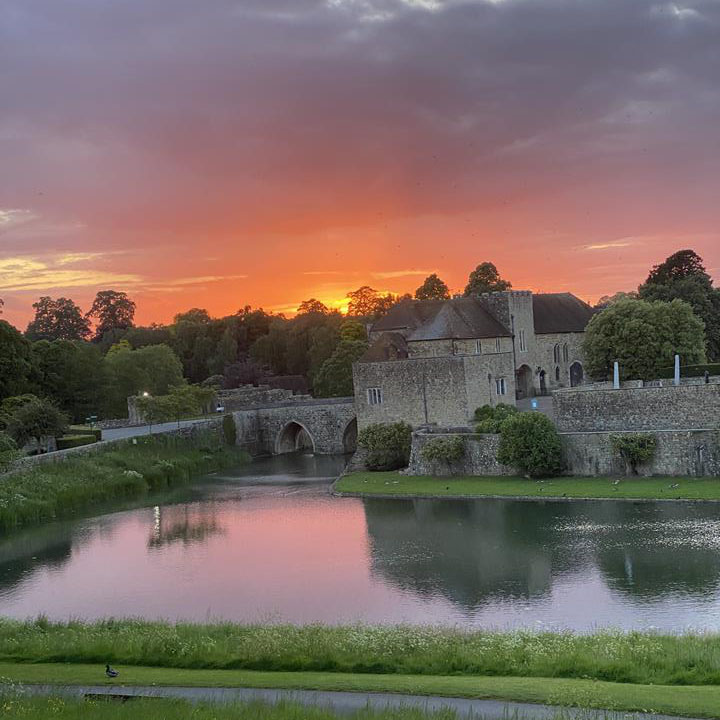
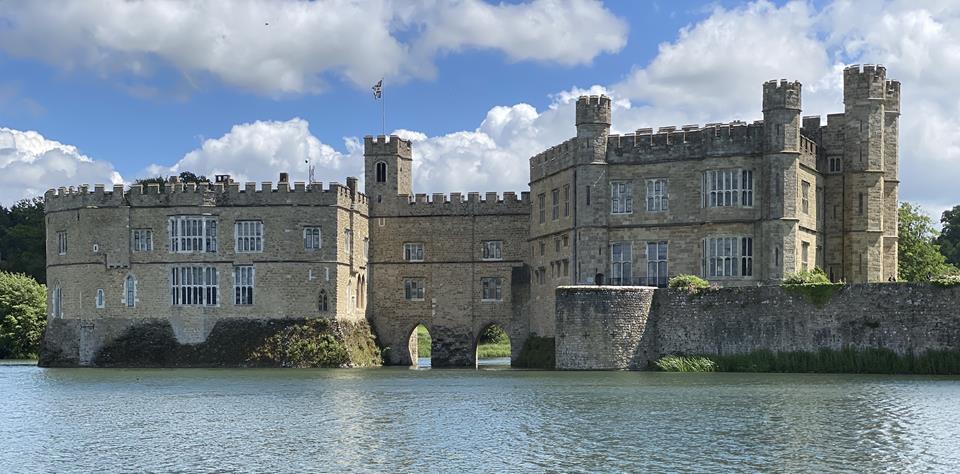
    Leeds castle, in Kent, hosted a spectacular jousting tournament over the spring bank holiday. We sent historian Amanda Glover to visit the event and tell us all about it. Over to Amanda...
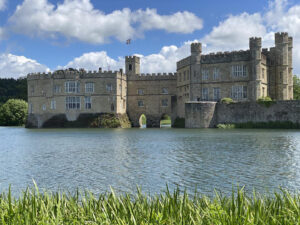

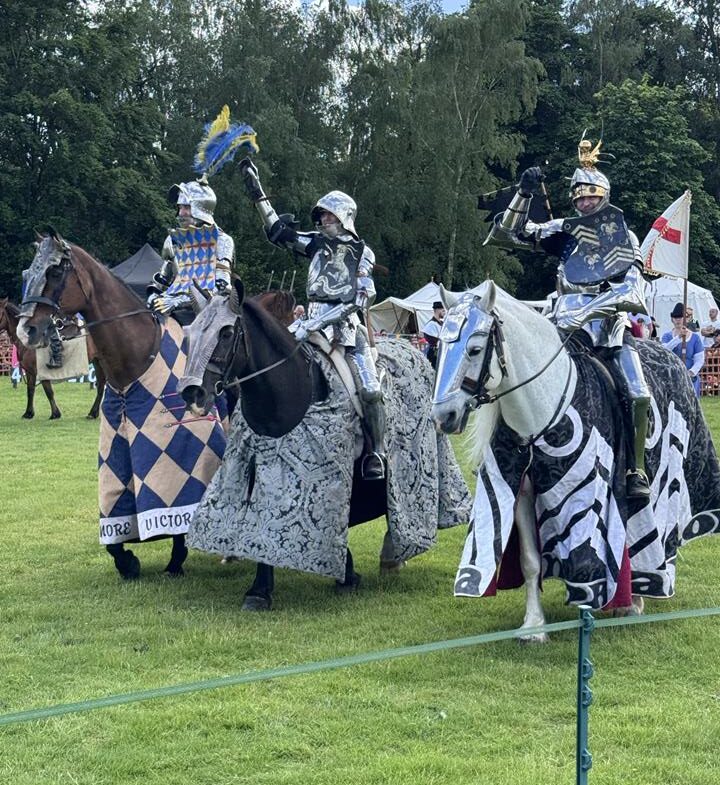
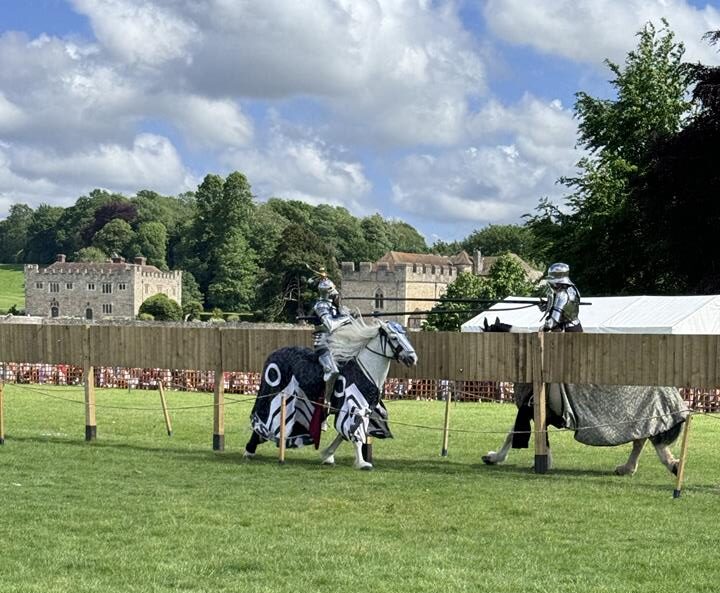
    The castle is always a beautiful backdrop for any event, but it was particularly fitting for the mediaeval drama.

    We were informed that this was the real thing, implying perhaps that some other jousting tournaments may be rather too staged managed. The English were competing against the French, and indeed the contest seemed real enough.

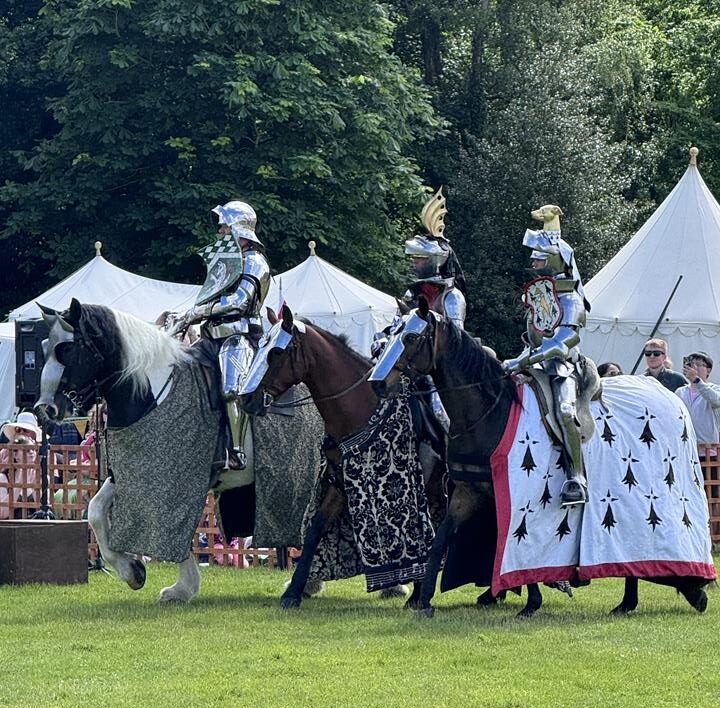
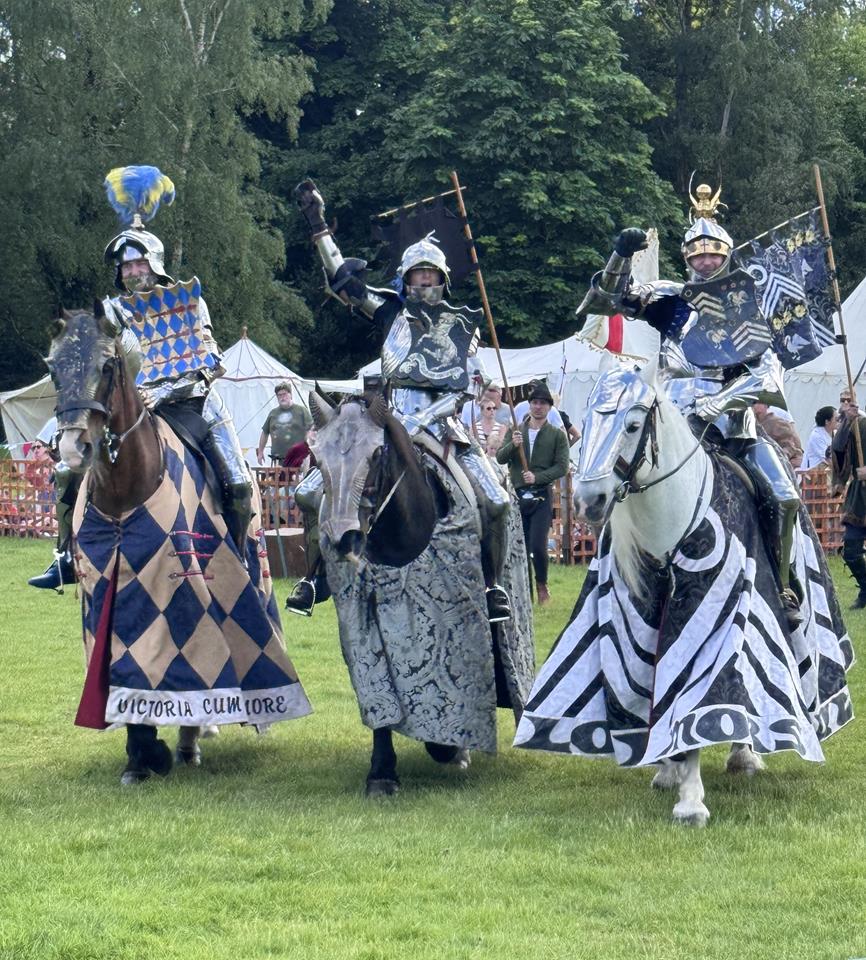
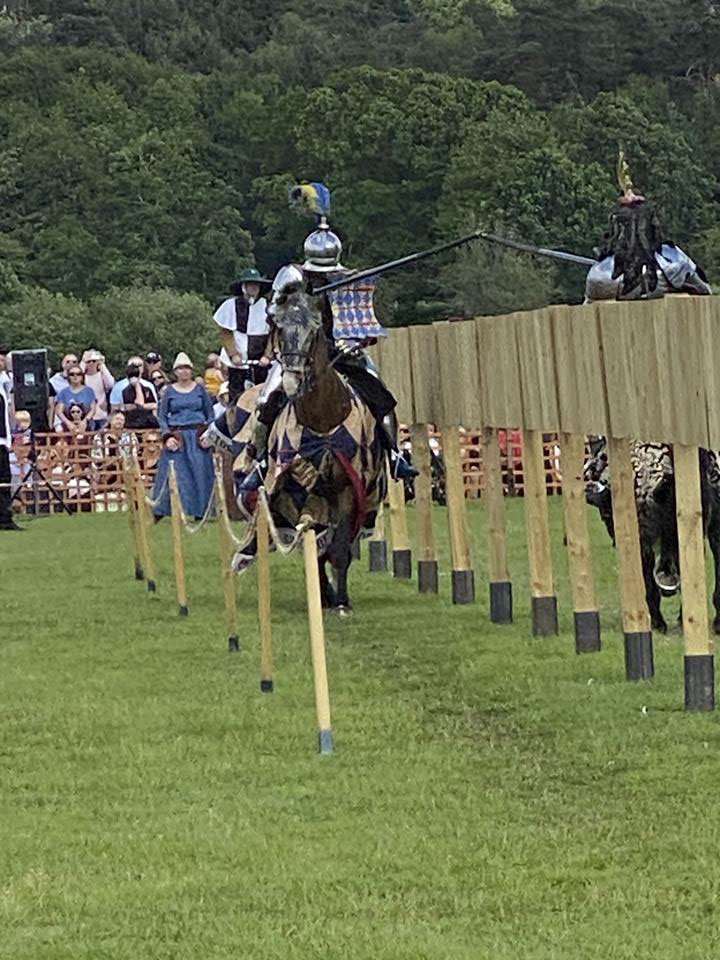
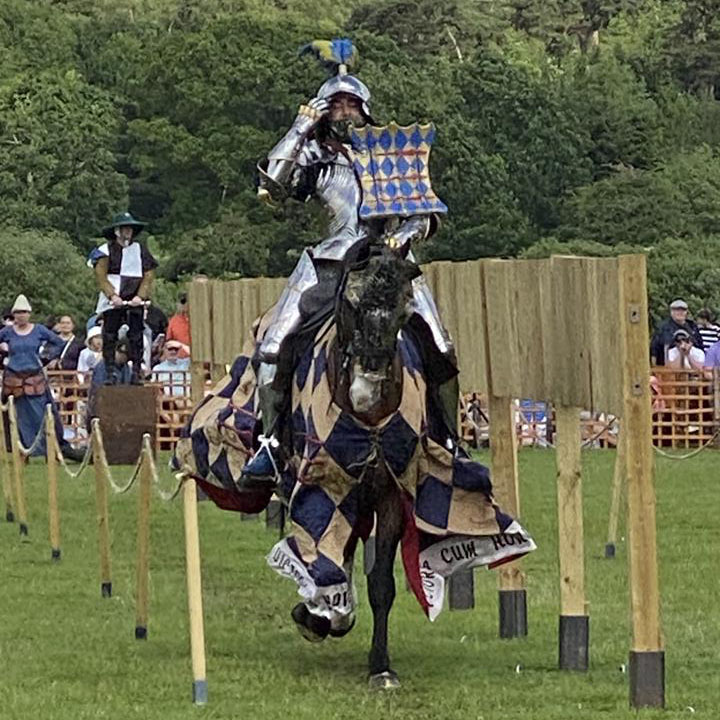
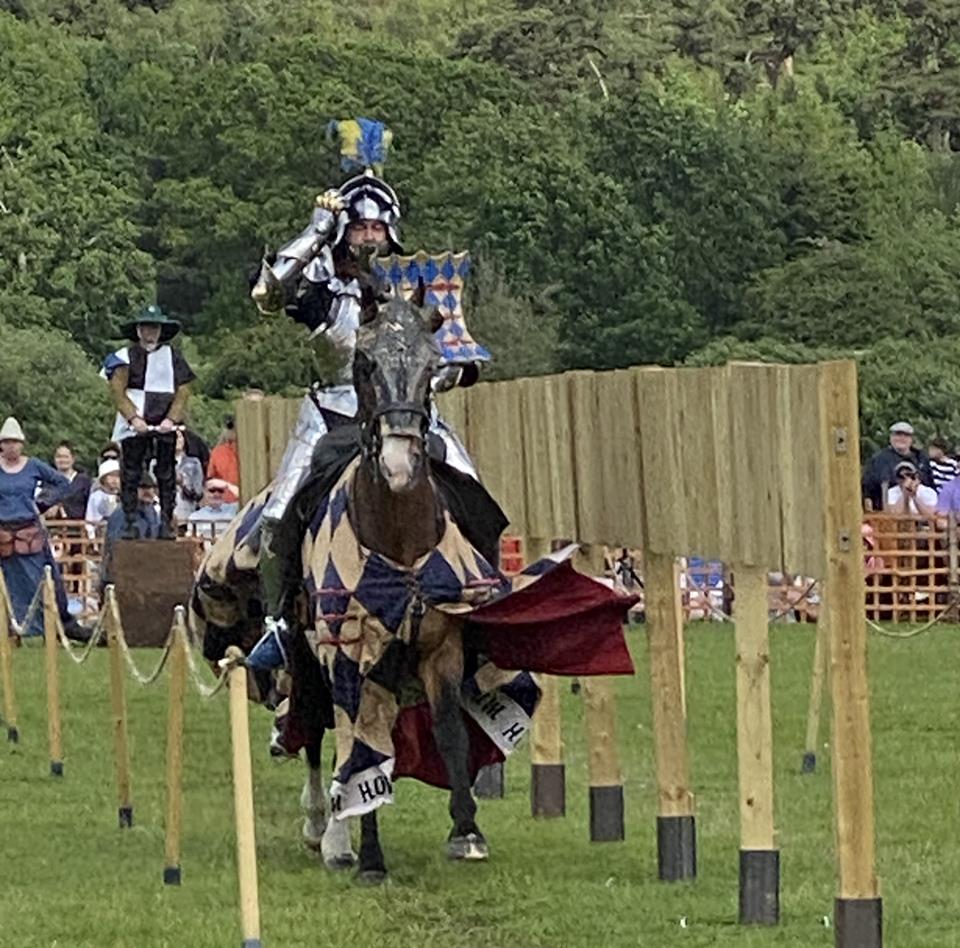
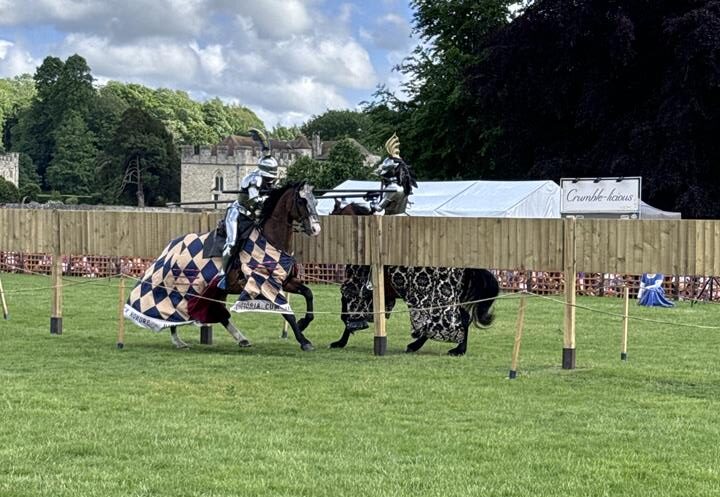
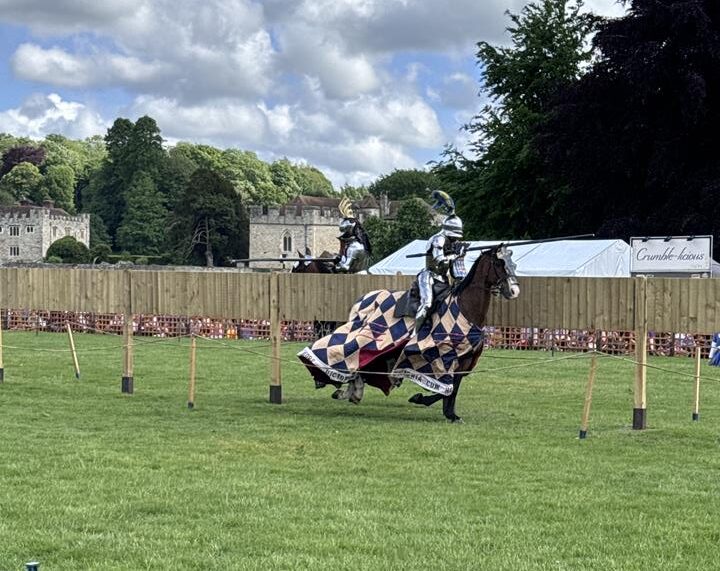
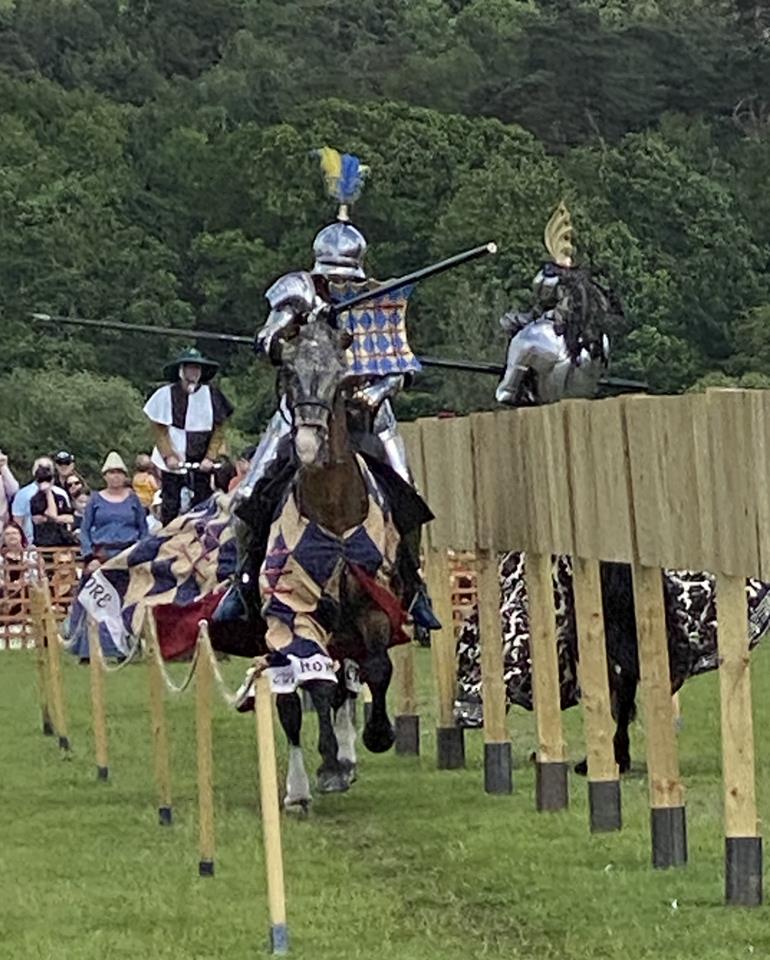
    Twice a day, for three days, the Knights in full armour mounted on beautifully caparisoned horses, charged at each other down the list, separated by the tilt -a wooden barrier which afforded some protection to horse and rider.

    The aim was to strike the opponent’s targe- a small shield attached to the breastplate or failing that to make contact with the knight him or herself, (yes- in the 21st century we have female jousters- the Knights of yore would be turning in their graves!) and to smash one’s lance in the process. The most points were awarded for a clean strike on the targe, breaking the lance low down its shaft, which indicated higher impact than merely splintering the top.

    Of course, modern health and safety regulations, not to mention common sense, precluded the knights from using the hugely heavy reinforced jousting armour of their forebears and the very stout lances which could on occasion unseat an unlucky opponent, or otherwise do some rather unpleasant damage.
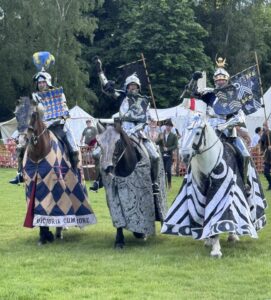
    Despite this, it was still a colourful and skilful spectacle, and many a light-weight lance was splintered, with no nasty injuries to horse or rider.

    Although this was the main event, there was other entertainment on hand. This included a demonstration as to how to arm a knight-it is a complex process putting on all that steel, and there was a daily exhibition of foot combat.

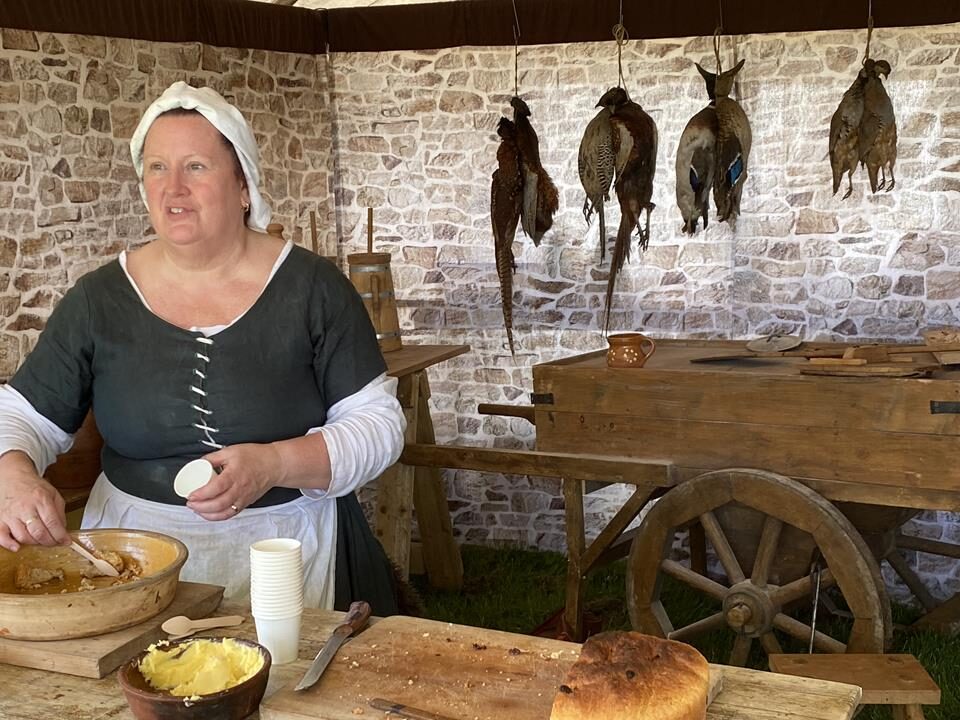
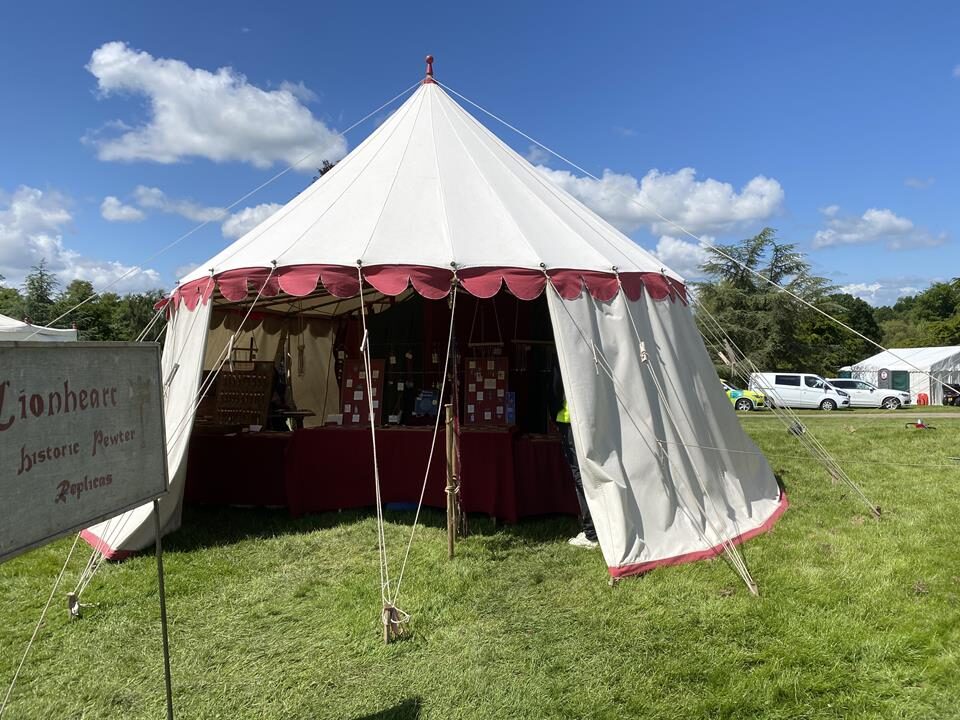
    A 15th century encampment included some music makers, an armoury workshop, a kitchen and the odd gift shop selling mediaeval style belts, pilgrims’ badges and pottery, all the participants being suitably attired.

    The kitchen was of particular interest, with food being prepared just as it was all those centuries ago. We were given tastes of saffron bread and bread pudding, tasty treats that only the wealthy could have afforded in the 15th or 16th century. The price of saffron and dried exotic fruit made it out of the reach of the average peasant. Very crunchy authentic mediaeval gingerbread was for sale, and it was indeed a tasty treat.

    Then there were samples of hippocras, a delicious early form of mulled wine, made with all sorts of rare herbs and spices, which no self-respecting mediaeval banquet omitted from its menu.

    Combined with the castle itself, its beautiful grounds and its maze, it was well worth the day out.

  • #OTD in Tudor history – 31 May

    Portrait of Lady Margaret Beaufort

    On this day in Tudor history, 31st May, the matriarch of the Tudor dynasty, Lady Margaret Beaufort, was born; the Legatine Court, whose purpose was to hear Henry VIII’s case for an annulment of his first marriage, opened at Blackfriars; and Queen Anne Boleyn’s coronation procession took place…

    [Read More...]
  • #OTD in Tudor history – 30 May

    Henry VIII and Jane Seymour, and a man thought to be Christopher Marlowe

    On this day in Tudor history, 18 men were created Knights of the Bath during Anne Boleyn’s coronation celebrations; Henry VIII married Jane Seymour at Whitehall; and playwright and poet Christopher Marlowe was stabbed to death…

    [Read More...]
  • #OTD in Tudor history – 29 May

    A tract from the Marprelate Controversy

    On this day in Tudor history, 29th May, Queen Anne Boleyn’s coronation celebrations began with a huge river procession on the Thames, and religious controversialist John Penry was hanged after being linked to the Marprelate religious tracts…

    [Read More...]
  • #OTD in Tudor history – 28 May

    Painting of the Spanish Armada and an engraving of the gallows at Tyburn

    On this day in Tudor history, 28th May, Archbishop Cranmer, proclaimed the validity of Henry VIII’s marriage to Anne Boleyn; three Catholic priests were executed for a plot that may not have been real; and the Spanish Armada set sail from Lisbon in Portugal bound for the Spanish Netherlands…

    [Read More...]